Charging Infrastructure Built for Daily Convenience
EV Charger Installation in Concord for homeowners and businesses adding at-home or workplace charging stations
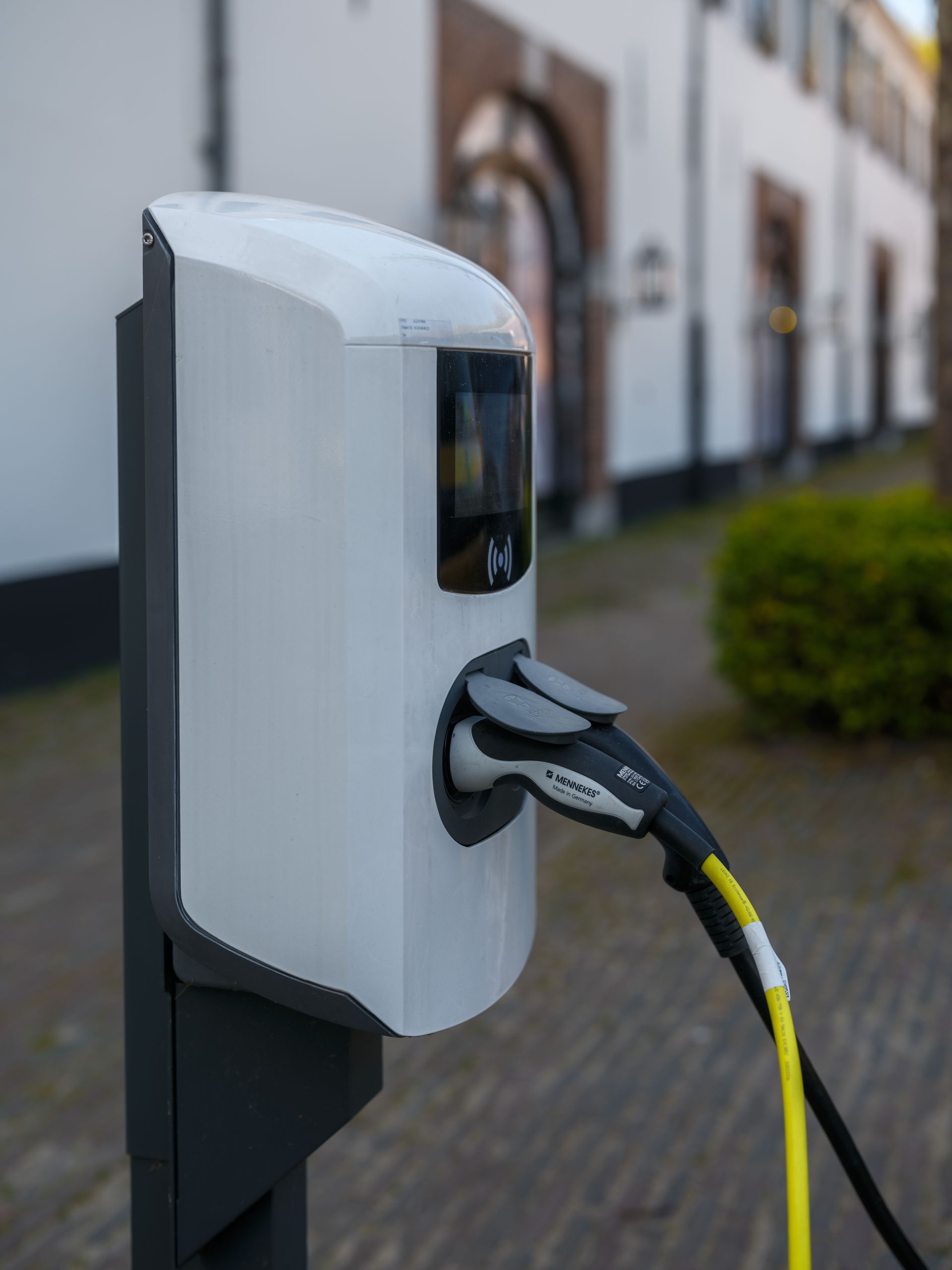
North Carolina's growing electric vehicle adoption creates demand for reliable home and workplace charging, and professionally installed Level 2 charging stations provide faster charging speeds than standard 120-volt outlets, allowing electric vehicles to fully recharge overnight or during work hours. When you charge an EV using a standard household outlet, full charging can take 24 hours or more, while Level 2 chargers operating at 240 volts reduce that time to four to eight hours depending on battery size and charger output. Halion Electric installs EV chargers for residential and commercial properties throughout Concord where convenient, efficient charging is needed.
EV charger installation begins with evaluating your electrical panel to verify that sufficient capacity exists to support the charger's amperage draw, which typically ranges from 30 to 50 amps depending on the charger model. If the panel lacks available capacity, an upgrade may be necessary before the charger can be installed. The installation includes running a dedicated circuit from the panel to the charger location, mounting the charging station securely, and connecting the unit according to manufacturer specifications and current electrical codes.
Schedule an EV charger installation consultation to assess your electrical system and discuss charger placement options.
What Changes After Charger Installation Completes
The installation process includes determining the optimal charger location based on vehicle parking position and electrical access, installing a dedicated 240-volt circuit with appropriately rated wiring and breaker, and mounting the charging station to an exterior wall, garage wall, or pedestal depending on site conditions. Chargers installed outdoors require weatherproof enclosures and conduit to protect wiring from exposure. Proper permitting and inspection ensure that the installation meets local electrical codes and that all connections are safe for long-term use.
After installation is complete, your electric vehicle charges in a fraction of the time required by a standard outlet, typically reaching full charge overnight even after significant daily driving. The charging station operates reliably without tripping breakers or affecting other circuits, and the dedicated circuit ensures that the full charger output is available without voltage drop or reduced charging speed. Many Level 2 chargers include app connectivity that tracks charging sessions, schedules charging during off-peak hours to reduce electricity costs, and sends notifications when charging is complete.
EV charger installations are tailored to each property's electrical capacity and layout, with charger placement selected to provide convenient access while minimizing wiring runs from the panel. Hardwired installations provide permanent, secure connections, while plug-in models offer portability if charging needs change. The installation maximizes charging performance and long-term reliability by using properly sized wiring, weatherproof connections, and code-compliant installation methods.
Common Questions About This Service
Homeowners and business owners in Concord planning EV charger installations often ask about electrical requirements, charging speed, and permitting.
What electrical capacity does an EV charger require?
Most Level 2 EV chargers draw between 30 and 50 amps at 240 volts, which requires a dedicated circuit with appropriately rated wiring and breaker. The electrical panel must have sufficient capacity to support this load in addition to existing circuits.
How fast will my vehicle charge with a Level 2 charger?
Charging speed depends on the charger's output and the vehicle's onboard charging capacity, but most Level 2 chargers add 20 to 60 miles of range per hour of charging. A typical electric vehicle with a depleted battery reaches full charge in four to eight hours.
Can I install a charger if my panel is already full?
If your electrical panel lacks available space or capacity for an additional 30- to 50-amp circuit, a panel upgrade or sub-panel installation may be necessary before the charger can be installed. The initial evaluation identifies whether panel upgrades are required.
Does EV charger installation require permits?
Yes, EV charger installations in Concord require electrical permits and inspection to verify that the circuit, wiring, and connections meet current code requirements. The permitting process ensures that the installation is safe and properly documented.
Where should the charger be located?
Chargers are typically installed in garages or on exterior walls near vehicle parking areas, positioned to allow the charging cable to reach the vehicle's charge port without stretching. The location is selected based on electrical access, proximity to the panel, and convenience for daily use.
Halion Electric handles EV charger installations with proper permitting, code-compliant wiring, and secure mounting for every charging station. Schedule a consultation to review your property's electrical capacity and plan your EV charging setup.