
Reliable Power When the Grid Goes Down
Generator Installation in Concord for homes and businesses facing unexpected power outages
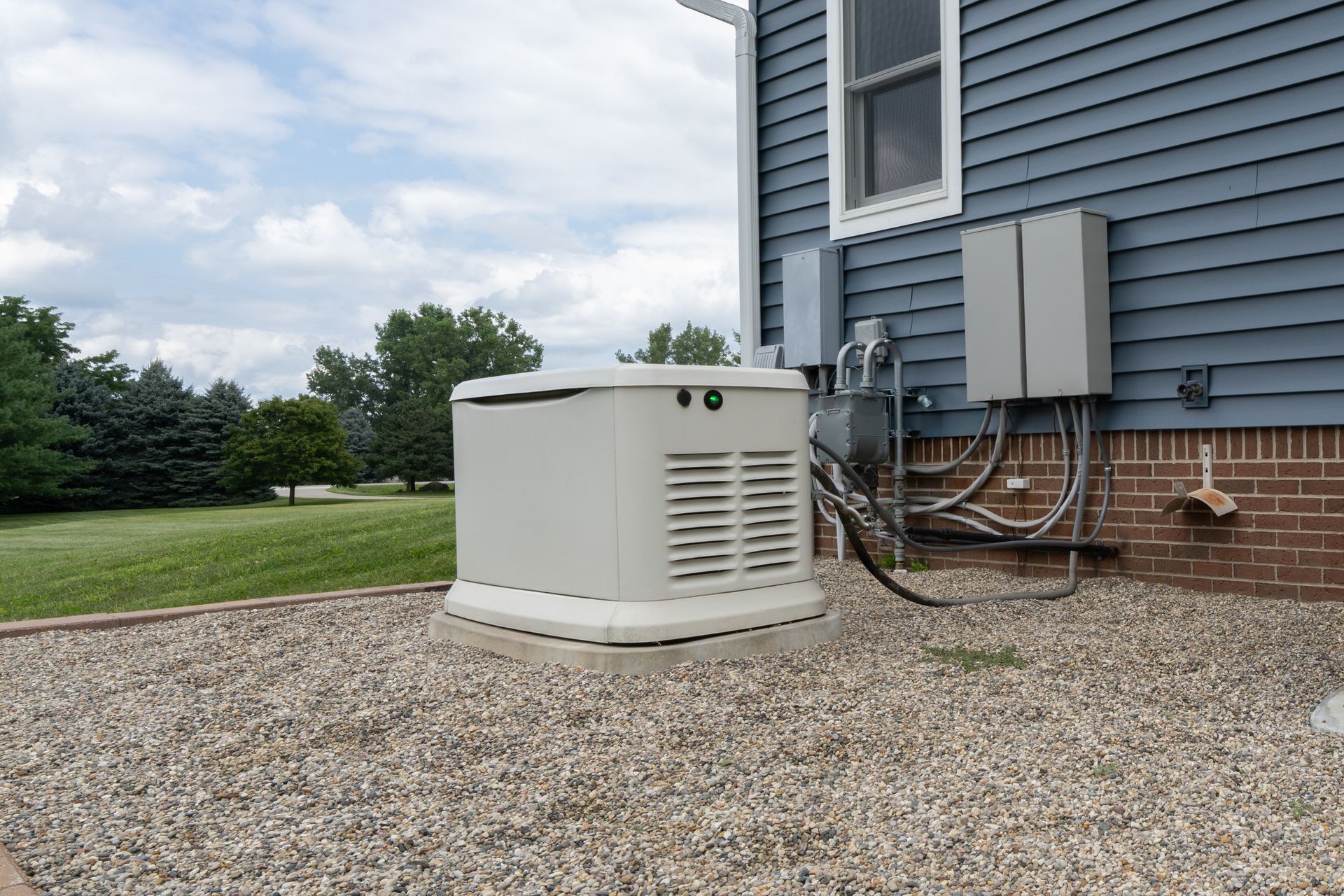
A standby generator switches on automatically within seconds of detecting utility power loss, restoring electricity to your home or business without manual intervention. Halion Electric installs standby generators in Concord sized specifically to your property's electrical load and the circuits you need powered during an outage. Once installed and connected to your electrical panel, the generator monitors incoming utility power continuously and activates the moment service is interrupted.
The installation process involves calculating your essential electrical load, positioning the generator on a concrete pad with proper clearances from structures and air intakes, running a dedicated fuel line from your natural gas meter or propane tank, and integrating a transfer switch that isolates your home from the utility grid during operation. This prevents backfeeding, which would otherwise send electricity back through utility lines and endanger line workers during restoration efforts.
Request a generator installation estimate to determine the right system size and placement for your property.
What Proper Generator Installation Requires
Generator sizing calculations account for your HVAC system startup surge, well pump motor load, refrigeration equipment, lighting circuits, and any other systems you consider essential during an outage. Undersizing leads to overload trips and system shutdown, while oversizing wastes fuel and increases upfront costs without added benefit.
After installation, you'll notice that your heating or cooling system continues running during storms, your refrigerator and freezer maintain safe temperatures, and your security system stays operational even when neighboring properties lose power. The transfer switch handles the transition between utility and generator power seamlessly, so you won't experience the brief flicker that occurs when portable generators are manually connected.
Manufacturer specifications require minimum clearances from walls, windows, and air intakes to ensure adequate ventilation and prevent carbon monoxide intrusion. Local electrical codes dictate transfer switch wiring methods, grounding requirements, and fuel line installations. Compliance with both ensures safe operation and keeps manufacturer warranties valid.
Questions Before Starting Your Project
Generator installations raise practical questions about system size, fuel sources, and long-term operation. These answers clarify what the installation involves and what you can expect once the system is operational.
How is the right generator size determined for my home?
Load calculations add up the running wattage and startup surge requirements for every circuit you want powered during an outage, including air conditioning compressors and well pump motors, which require significantly more power to start than to run continuously.
What happens during installation at my property?
Installation involves pouring or preparing a concrete pad, mounting the generator with vibration dampening, running electrical conduit to the transfer switch inside your main panel, connecting the fuel supply line, and testing the system under load to confirm proper operation.
Can a generator power my entire home during an outage?
Whole-home coverage is possible when the generator is sized to handle your property's total electrical load, though many homeowners choose to power essential circuits only, which reduces equipment costs and fuel consumption during extended outages.
Why does Concord experience power outages that make backup systems worthwhile?
Summer thunderstorms with lightning strikes, ice accumulation on power lines during winter weather events, and occasional equipment failures on the utility grid all cause outages that can last from minutes to several days depending on the severity and extent of damage.
How soon does the generator respond after utility power is lost?
Most standby generators begin startup within ten seconds of detecting power loss and reach full output within another twenty to thirty seconds, which is fast enough to keep refrigeration at safe temperatures and prevent HVAC system downtime.
Halion Electric completes generator installations with attention to proper sizing, fuel line safety, and transfer switch integration that meets both manufacturer requirements and local code standards. Schedule a consultation to evaluate your property's electrical needs and determine the right backup power solution.